New project to conserve medicinal plants in tribal hotspots; Sonbhadra and Anuppur included
The Ministry of Tribal Affairs launched a three-year project on 12 November 2026 to conserve medicinal plants and support livelihoods in 16 tribal hotspots across 13 states and union territories. It covers tribal communities in selected areas including Sonbhadra in Uttar Pradesh and Anuppur in Madhya Pradesh.
What this means for you
The project is limited to 16 selected tribal hotspots, so it does not directly affect people elsewhere. Tribal farmers, traditional knowledge holders, women and rural youth in Sonbhadra and Anuppur are the people it is meant to involve. The notice gives no application date or process, so readers do not need to fill any form right now.
Key facts
- The project was launched on 12 November 2026 at Koraput, Odisha.
- It runs for three years and covers 16 tribal hotspots in 13 states and union territories.
- The list includes Sonbhadra in Uttar Pradesh and Anuppur in Madhya Pradesh.
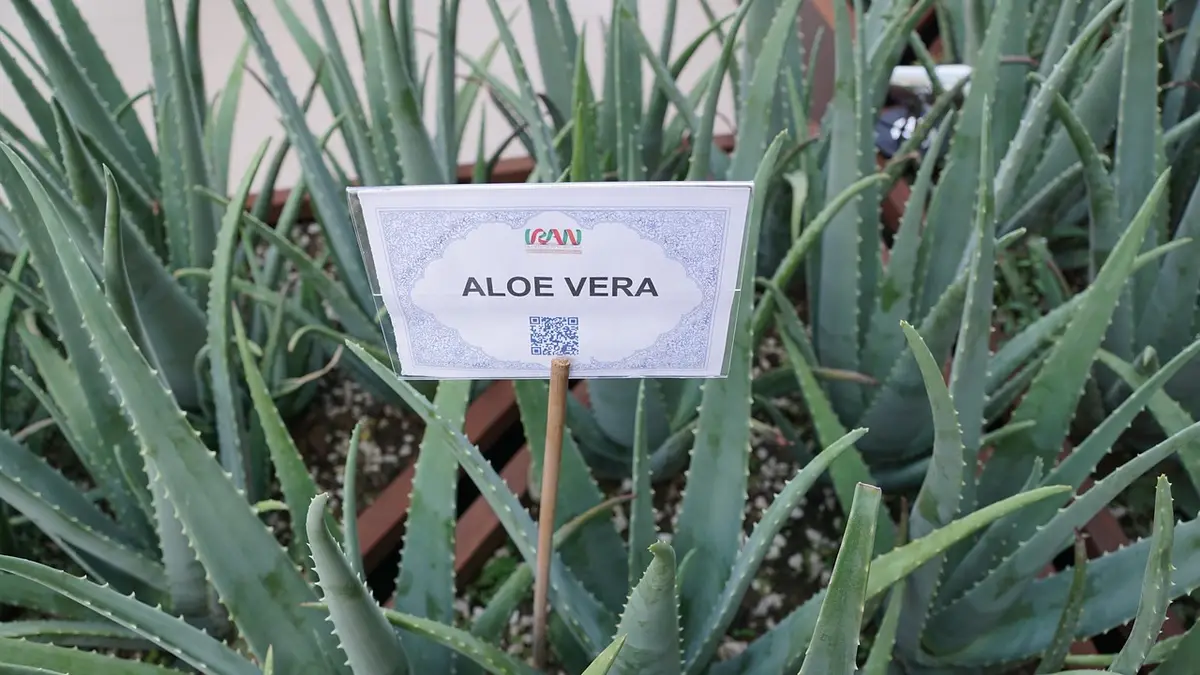
- About 200–300 medicinal plant species will be documented.
- 16 community nurseries and 16 seed banks will be set up.
- 40,000–50,000 high-quality planting materials will be distributed.
What has started
The Ministry of Tribal Affairs formally launched a project on 12 November 2026 at Odisha Central University in Koraput, Odisha. It will run with the support of CSIR-National Botanical Research Institute (CSIR-NBRI), Lucknow. The aim is to conserve medicinal plants in tribal areas and create livelihood options for local communities. The project is for three years.
Where it will run
It covers 16 selected tribal hotspots across 13 states and union territories. These include Sonbhadra in Uttar Pradesh and Anuppur in Madhya Pradesh. Others are Alluri Sitarama Raju (Andhra Pradesh), Kokrajhar (Assam), Narayanpur (Chhattisgarh), Navsari (Gujarat), East Singhbhum (Jharkhand), Kodagu (Karnataka), Wayanad (Kerala), Kargil (Ladakh), Gadchiroli and Nashik (Maharashtra), Kandhamal, Balangir and Koraput (Odisha), and Dharchula (Uttarakhand).
What the project will do
About 200–300 medicinal plant species will be documented. Around 30–40 rare, endangered and threatened species will be scientifically propagated. Sixteen community nurseries and 16 seed banks will be set up. Community-level training will be given for cultivating medicinal plants and for bio-resource based enterprises. The project will also distribute 40,000–50,000 high-quality planting materials.
What happened in Sonbhadra
As part of early implementation, CSIR-NBRI did field work in Sonbhadra district in October 2026. The team spoke to 146 tribal people from 12 villages who hold traditional knowledge, and documented their traditional medicinal practices. About 200 medicinal and economically important plant samples were collected under 97 field numbers. Twenty-five live orchid samples were also collected for germplasm conservation at the CSIR-NBRI botanical garden.
Who benefits
The project aims to build strong links between scientific institutions, Krishi Vigyan Kendras, Van Dhan Vikas Kendras, state tribal welfare and forest departments, and local communities. Special focus is on involving tribal farmers, traditional healers, women and rural youth in conservation, training, cultivation and value-chain development. The ministry wants to create a model that can be replicated elsewhere.
What next
The event included a technical session titled “From Tribal Knowledge to Enterprise”, where experts and stakeholders discussed ways to turn traditional knowledge and medicinal plant resources into lasting economic opportunities. A field visit to the Koraput tribal hotspot was planned for 13 November 2026. The notice does not give any application date or process for the public.
Questions and answers
Which areas does this project cover?
Sixteen selected tribal hotspots across 13 states and union territories, including Sonbhadra in Uttar Pradesh and Anuppur in Madhya Pradesh.
Can ordinary people apply for this project?
The notice does not give any application process or date. The project focuses on involving tribal farmers, traditional healers, women and rural youth.
What work will the project do?
It will document medicinal plant species, propagate rare species, set up community nurseries and seed banks, and distribute planting material.
What has already been done in Sonbhadra?
In October 2026, a CSIR-NBRI team spoke to 146 tribal people in 12 villages and documented their traditional medicinal practices.
Which institutions are involved?
The Ministry of Tribal Affairs is working with CSIR-NBRI, Lucknow as the main partner. Krishi Vigyan Kendras, Van Dhan Vikas Kendras and state tribal welfare and forest departments will also be linked.
Glossary
- LOC (List of Candidates)
- The official list of students who will sit a board exam, sent by the school to the board.
Source: PIB, "जनजातीय कार्य मंत्रालय ने 13 राज्यों/केंद्र शासित प्रदेशों में फैले 16 जनजातीय हॉटस्पॉट में औषधीय पौधों के संरक्षण और सतत आजीविका को बढ़ावा देने के लिए राष्ट्रीय पहल का शुभारंभ किया", 12 November 2026. Read the original notice
This routine notice was drafted with AI from an official source and published automatically; an editor reviews it after publishing. Report an error